Exhibitions
Missoula Art Museum
Missoula, MT
January 9 to March 22, 2026
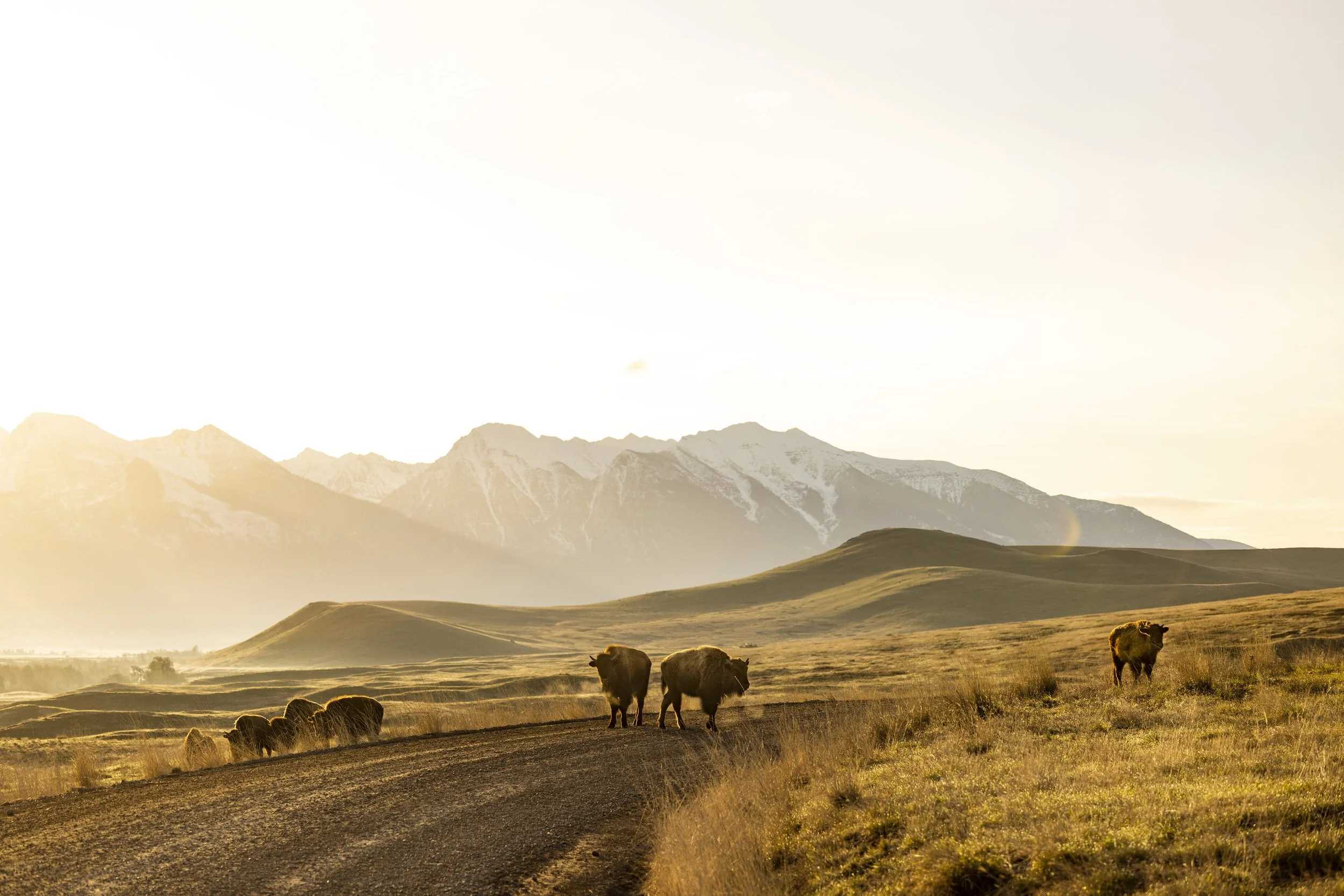
In the 1870s, members of the Salish and Kootenai Tribes launched a conservation effort to save the plains bison, bringing orphaned calves across the Continental Divide to the Flathead Reservation.
Under tribal management, the herd grew into the largest of its kind in the world. But during the Allotment Era, the tribes were forced to sell their herd and the federal government unlawfully seized nearly 19,000 acres in the middle of the Flathead Reservation to create the National Bison Range, despite the tribes’ strong objections.
When the Bison Range was established in 1908, the U.S. government bought the bison from the tribe's original herd, though in far smaller numbers. They were confined to reservation land that members of the tribe could no longer access.
For many tribal members, the fences that cut across the Bison Range were physical barriers representing their own exclusion from the land and animals they once managed.
“People from that time still say the fences were meant to keep the bison in and the Indians out,” said Shannon Clairmont, lead biologist for the Salish and Kootenai Tribes.
After decades of legal battles, the U.S. government formally returned the bison range to the Salish and Kootenai Tribes in 2021. The return of the land was a step in the larger Land Back movement, a call for the return of federally-controlled public lands to Indigenous stewardship.
The relationship between the Salish and Kootenai Tribes and their traditional territories, dating back centuries, represents the heart of the Land Back movement. The focus is not to own the land or animals but to regain access to their history.
Homelands, for many tribal nations, are a historical archive chronicling their tribes’ creation stories, ceremonial sites and traditions within the mountains, valleys, rivers and species that have inhabited the area alongside tribes since time immemorial.
As tribes across the country fight to regain control of their ancestral territories, the Bison Range and the Confederated Salish and Kootenai Tribes serve as one example of seized land successfully returned to its original steward.
***
This collection pairs photographs of the Bison Range under tribal management with photographs of tribal members using land-based practices to demonstrate their territory’s significance to their history, traditions and culture — as well as their commitment to maintaining it.
***
Images made possible in part from funding by Vital Impacts Environmental Grant
Smithsonian Museum of the American Indian
New York, NY
November 3, 2022–March 12, 2023
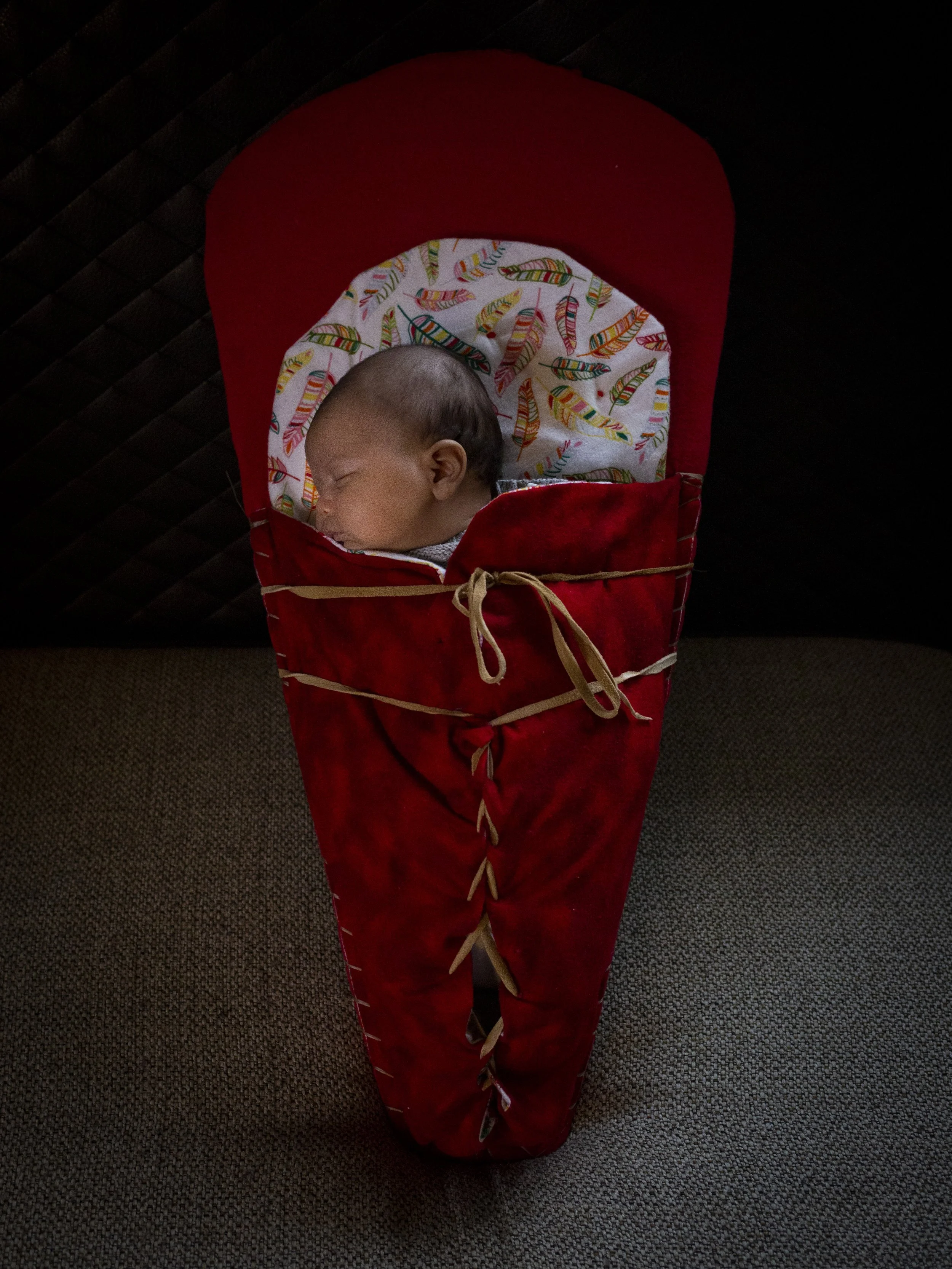
This photo essay delves into the legacy of U.S. government regulations impacting Native Americans’ most personal decisions, including with whom they have children. These decisions affect young adults and their families.
Northlight Gallery
Phoenix, AZ
January 4, 2025 to February 22, 2025
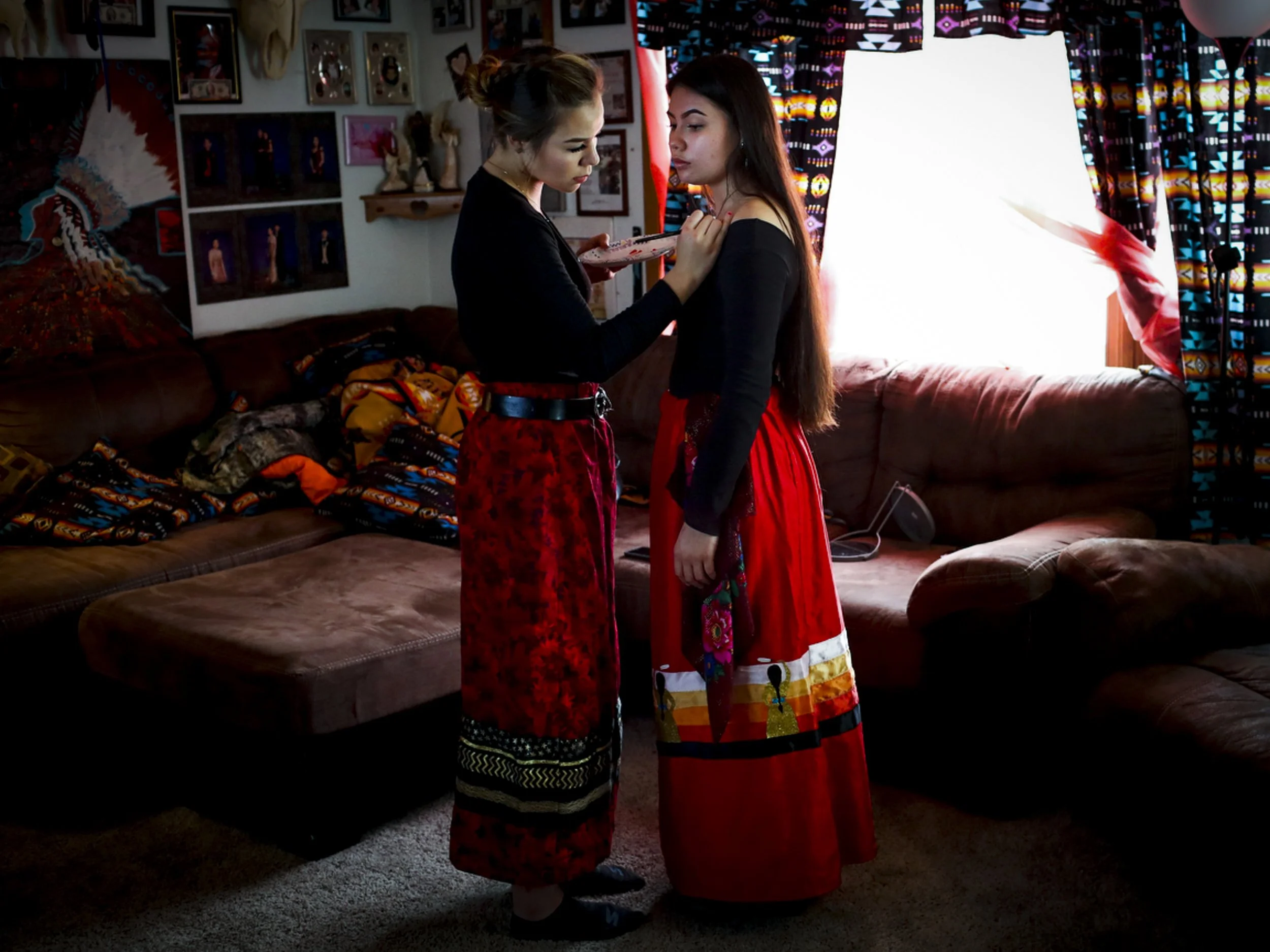
Colors hold symbolism and meanings already established by Western societies. However, for Native and Indigenous people, the symbolisms are diverse and hold different meanings. The color red carries great significance for Indigenous and Native communities. It is a sacred color used to describe our origin stories, sacred land, and blessings of fire for warmth, cooking, and protection. Reclaiming Red explores the colonial implications of the color red and demonstrates how Indigenous people use it for healing, peace, sacredness, unity, and Hózhó (a Diné Bizaad word for balance and harmony).
Minneapolis Institute of Art
Minneapolis, MN
October 22, 2023 -to January 14, 2024
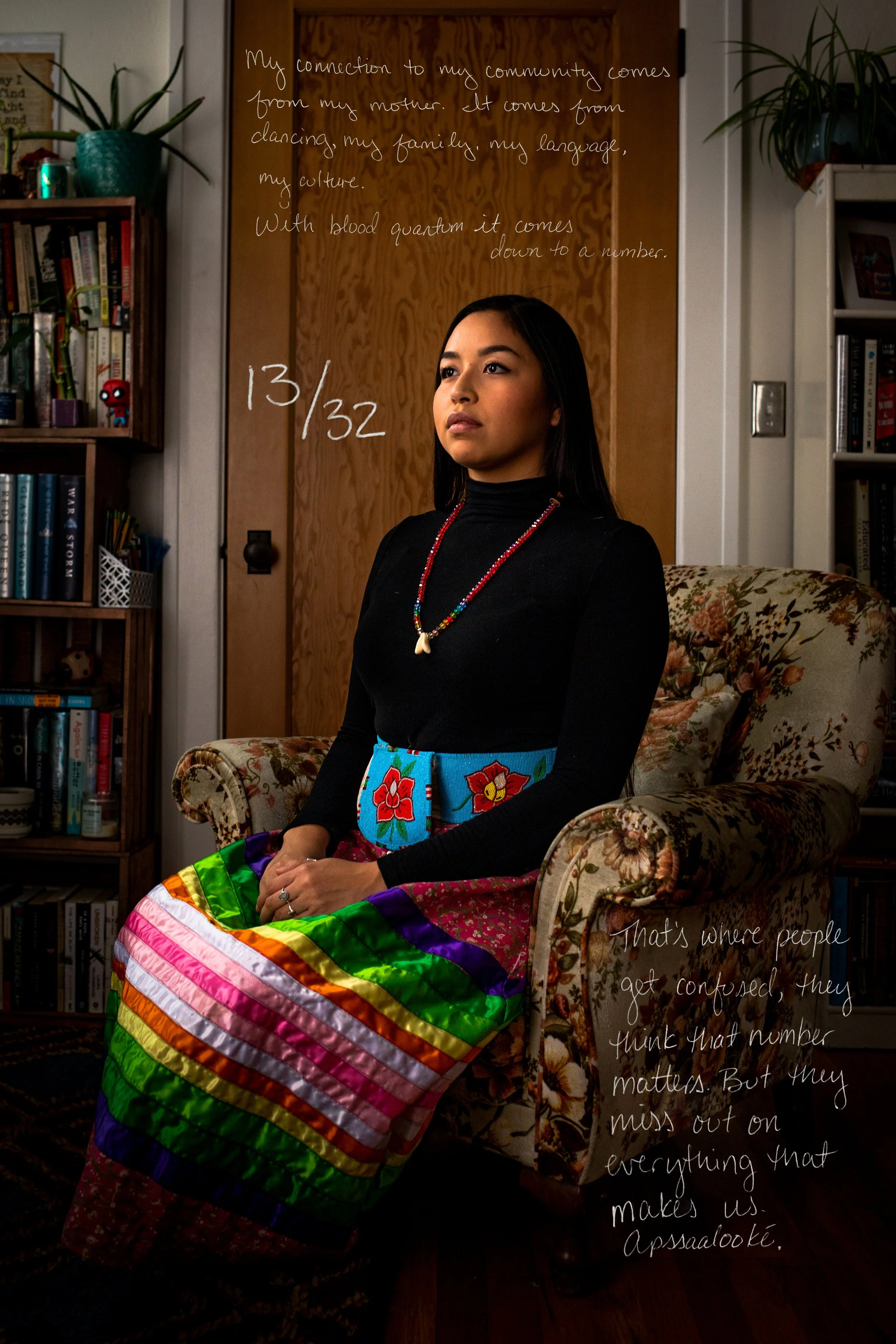
Enter into the vivid worlds of Native photography, as framed by generations of First Nations, Métis, Inuit, and Native American photographers themselves. Presenting over 150 photographs of, by, and for Indigenous people, “In Our Hands” welcomes all to see through the lens held by Native photographers.
Organized by a council of primarily Native artists, scholars, and knowledge sharers, in partnership with Mia curators, this sweeping exhibition traces the intersecting histories of photography and diverse Indigenous cultures from the Rio Grande to the Arctic Circle. Beautiful, complex, and surprising, these artworks celebrate the legacy of groundbreaking photographers and their influence on the medium today.
Curated Exhibitions
Photoville Indigenous Exhibition:
2026 The Women’s Grass
2025 Nacòx
2024 Timotlakwaltis: Reclaiming Our Sustenance & MINJIMENDAN (REMEMBER)
2022 Indigenous Photograph Year in Pictures
2021 Indigenous Photograph @ Night Lights Denver | Month of Photography Festival